Glossary
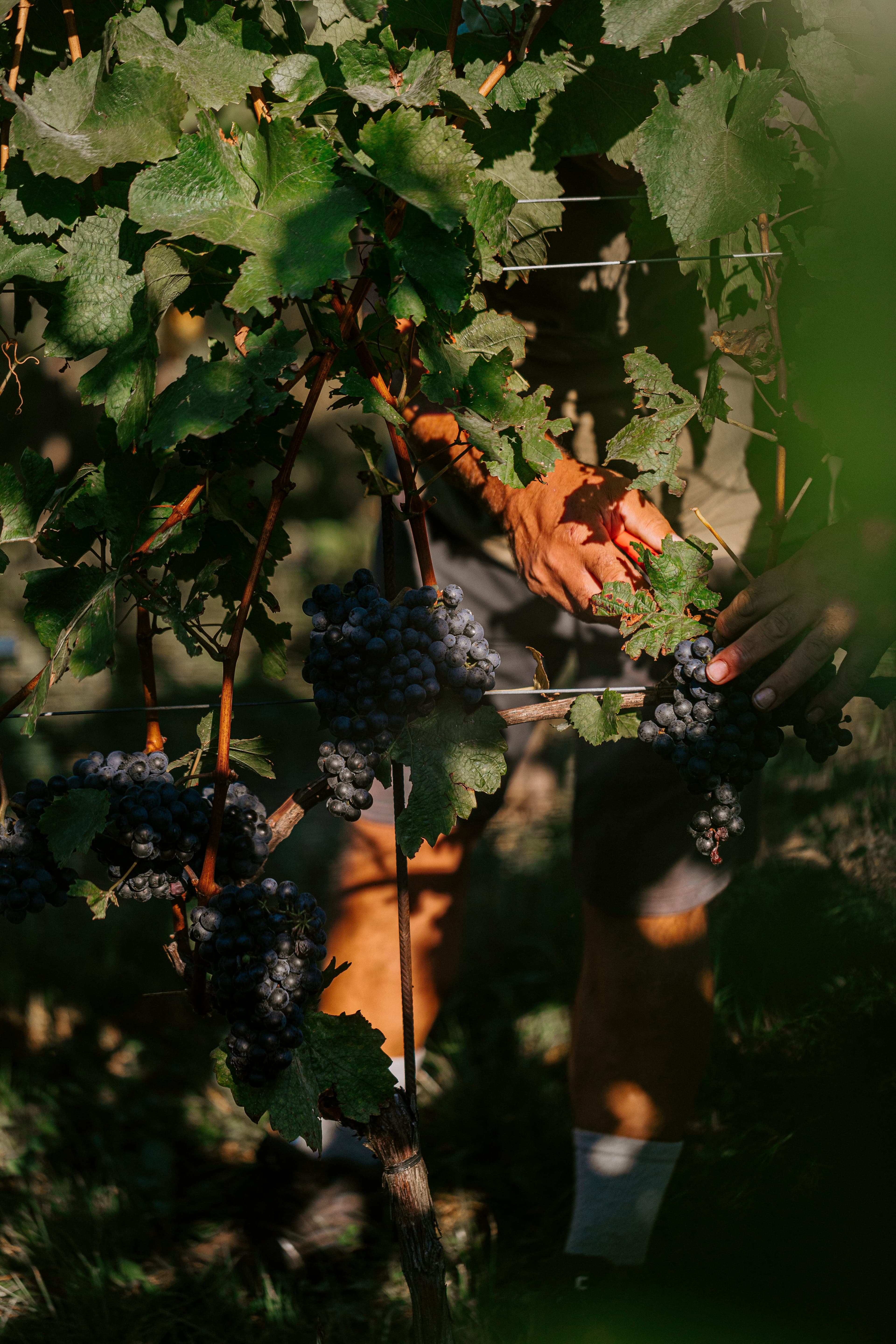
Harvested By Hand
All our grapes are harvested exclusively by hand. We are convinced that this level of quality is unique.
For whole-bunch fermentation, machine harvesting is in any case completely impossible and unthinkable.
Diversity
Diversity is the cornerstone of our work. Nature thrives on diversity. Diversity makes ecosystems more stable and more resilient against outside influences. A living diversity supports fertile soils, robust vines, a healthy environment, and more life in the vineyard. More life also means a richer yeast flora and with it, wines of greater depth, complexity and character.
Biodynamics helps us restore these natural connections: an interplay of synergy, symbiosis and diversity. We see nature as our ally, and through biodiversity patches, native ground cover and supportive preparations, we create a living balance.
One of our greatest concerns is preserving habitats for diverse animal species in our vineyards, contributing to the conservation of biodiversity. One key measure is habitat restoration and the planting of hedgerows and tree lines.
In our vineyards, you'll find nesting boxes for owls and hoopoes. While their populations were declining in the early 2010s, they have since become more widespread again. Proof, once more, that our actions can make a difference.
Biodynamics
Biodynamics
For us, biodynamics is far more than a farming method or a set of rules. It is an attitude, a guiding principle for how we relate to the living environment around us.
The conversion in 2006 fundamentally changed our perspective: from monocultures to diverse, healthy habitats; from a winery to a living agricultural organism; from control to balance and synergy.
Biodynamics helps us give our wines the greatest possible authenticity. We create a flavor portrait of our landscape, our soils, our climate, and of course our people. Only this way can truly individual, sometimes deeply purist, wines emerge. Wines that speak of their origin.
Both viticulture and biodynamics are subject to constant evolution. Every year, we grow richer in experience and knowledge. Observing nature, drawing conclusions, and acting on what we learn keep us in constant motion, mentally and physically.
Soil Life
Living soils are the foundation for resilient vines, healthy grapes and characterful wines. Soil is a complex habitat, home to countless organisms. This finely tuned network sustains continuous microbiological activity, the basis for humus formation, metabolic processes and functioning nutrient cycles. Resilient soils withstand environmental pressures better; deep roots nourish soil life and protect against erosion. At the same time, the balance of potential pests regulates itself naturally.
To support humus formation, we apply our biodynamic compost, made from a range of components such as cow and sheep manure, green cuttings, reeds, hay and grape pomace. Year-round ground cover, biological slope stabilization and deep rooting improve soil structure and water retention.
This, in turn, strengthens the vine's resilience. Deep rooting supports a rich soil fauna and provides strong erosion protection, allowing the vines to better absorb environmental pressures. Only living soil can produce living wines.
Alternating mulching and mowing, timed to the flowering of the cover crops, provides additional erosion protection. By alternating between mulching and mowing, the soil is protected, and biodiversity is supported through the preservation of habitats for various species. Mulching helps retain soil moisture and improves nutrient supply, while mowing keeps the growth of unwanted grasses in check.
Terroir
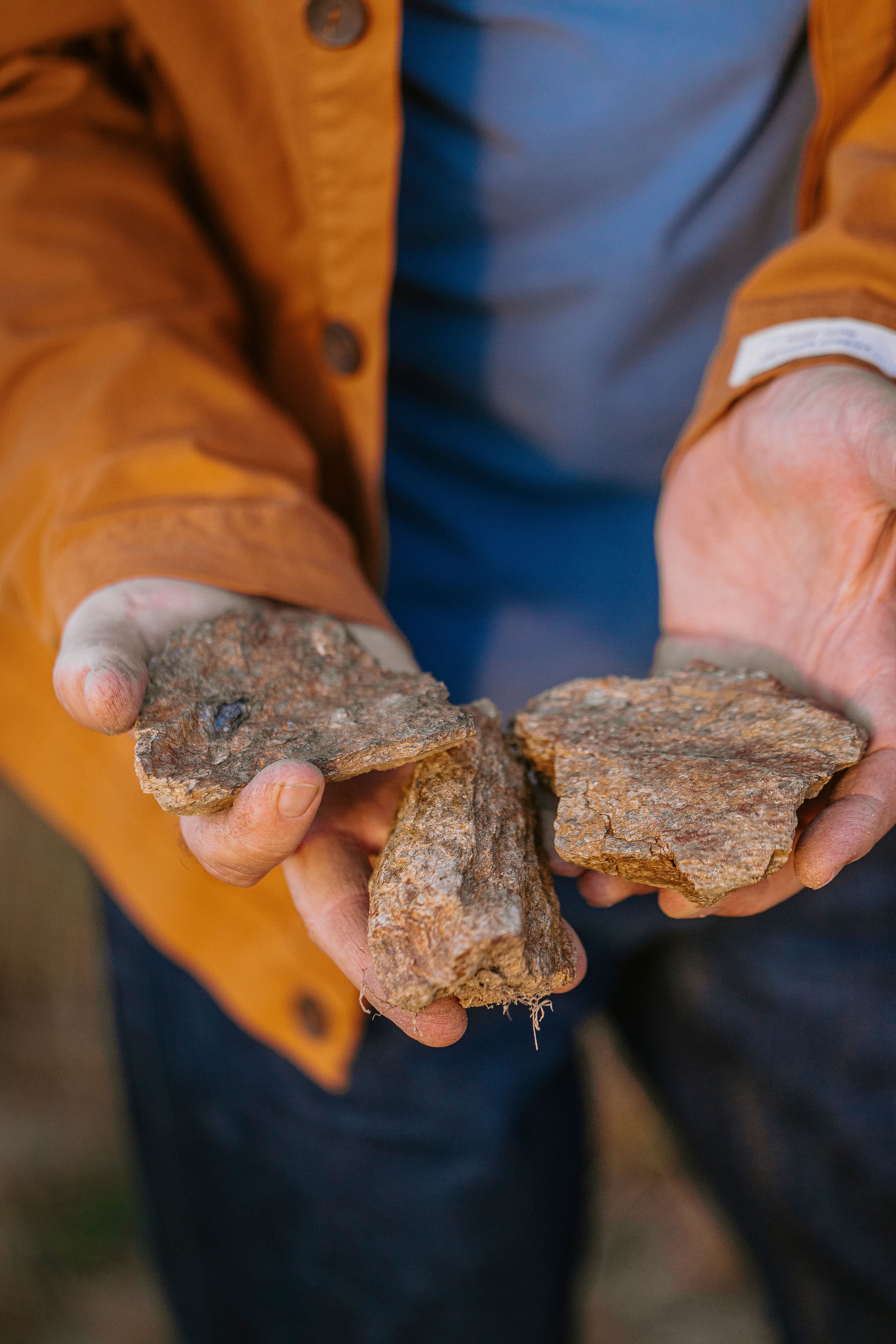
The term terroir is overused, and yet so meaningful. Terroir is a web of relationships: between environment and vine, between vine and winemaker, between winemaker and wine, and finally, between wine and the person who drinks it.
For us, terroir and biodynamics are inseparably linked. Terroir reveals itself most clearly within as closed a cycle as possible, one in which external interventions remain minimal.
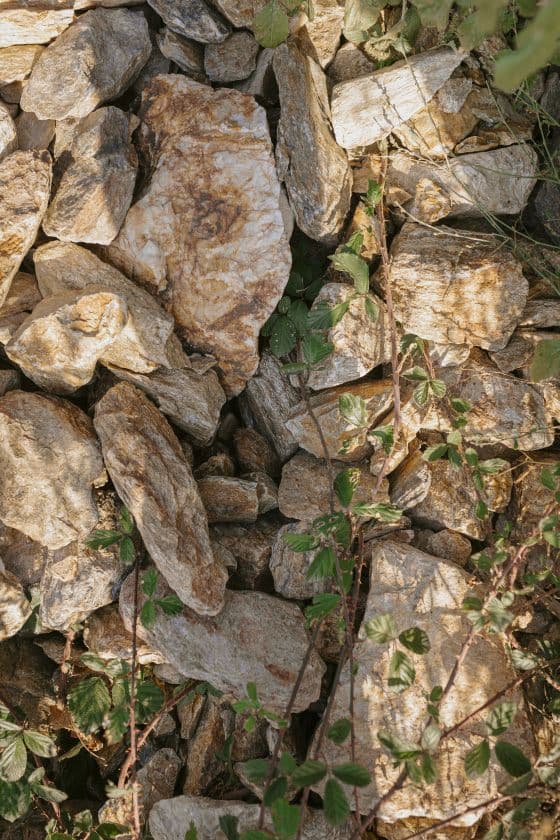
The typical Heinrich character — stony minerality, precise acidity and an invigorating salinity — emerges from the interplay of our limestone- and schist-shaped soils, the cooler climate of the Leithaberg, and the warmer top sites in Gols, such as Gabarinza and Salzberg. Equally central is our biodynamic farming and restrained work in the cellar, which could rather be described as gentle accompaniment and attentive observation.
Zeit
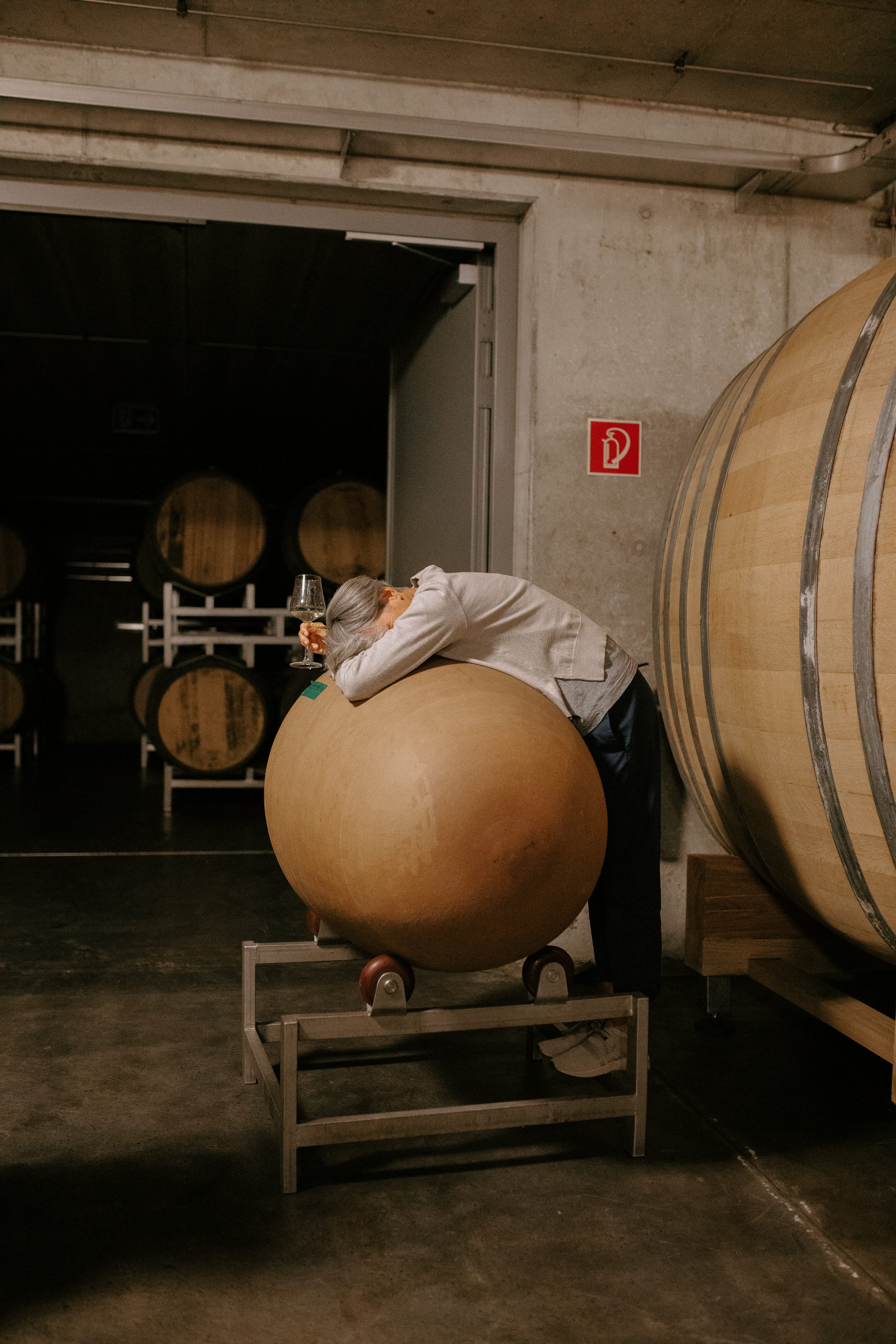
Zeit ist ein wesentlicher Bestandteil unserer Philosophie.
Naturbelassenen Wein zu erzeugen bedeutet für uns auch, ihm die nötige Zeit zur Reifung und Entwicklung zu geben, damit er sein volles Potenzial entfalten kann.
Viele Abläufe im Weinbau brauchen Zeit, manchmal sehr viel Zeit. Nach der Pflanzung eines Weingartens kann es bis zu fünf Jahre dauern bis die Rebe Früchte trägt. Und ebenso lange dauert es manchmal im Keller. Spontangärung, natürliche Klärung und lange Lagerung auf der natürlichen Hefe sind für uns von zentraler Bedeutung, nicht zuletzt für den authentischen Charakter und die Stabilisierung unserer Weine.
Spontaneous fermentation
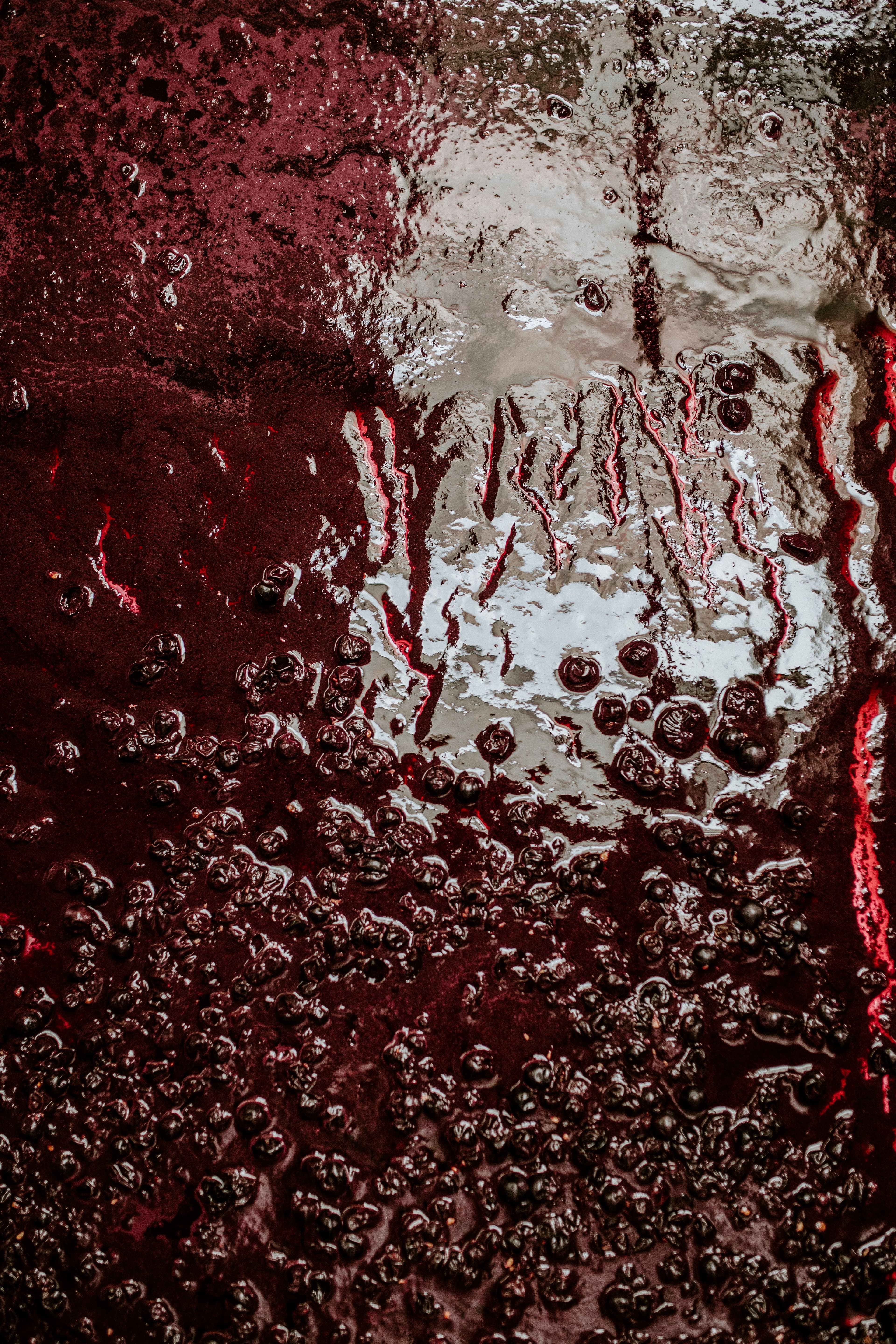
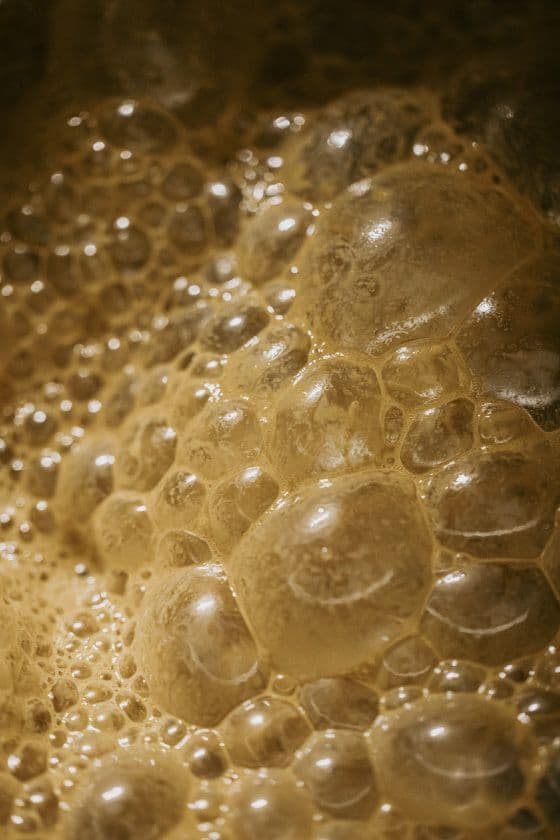
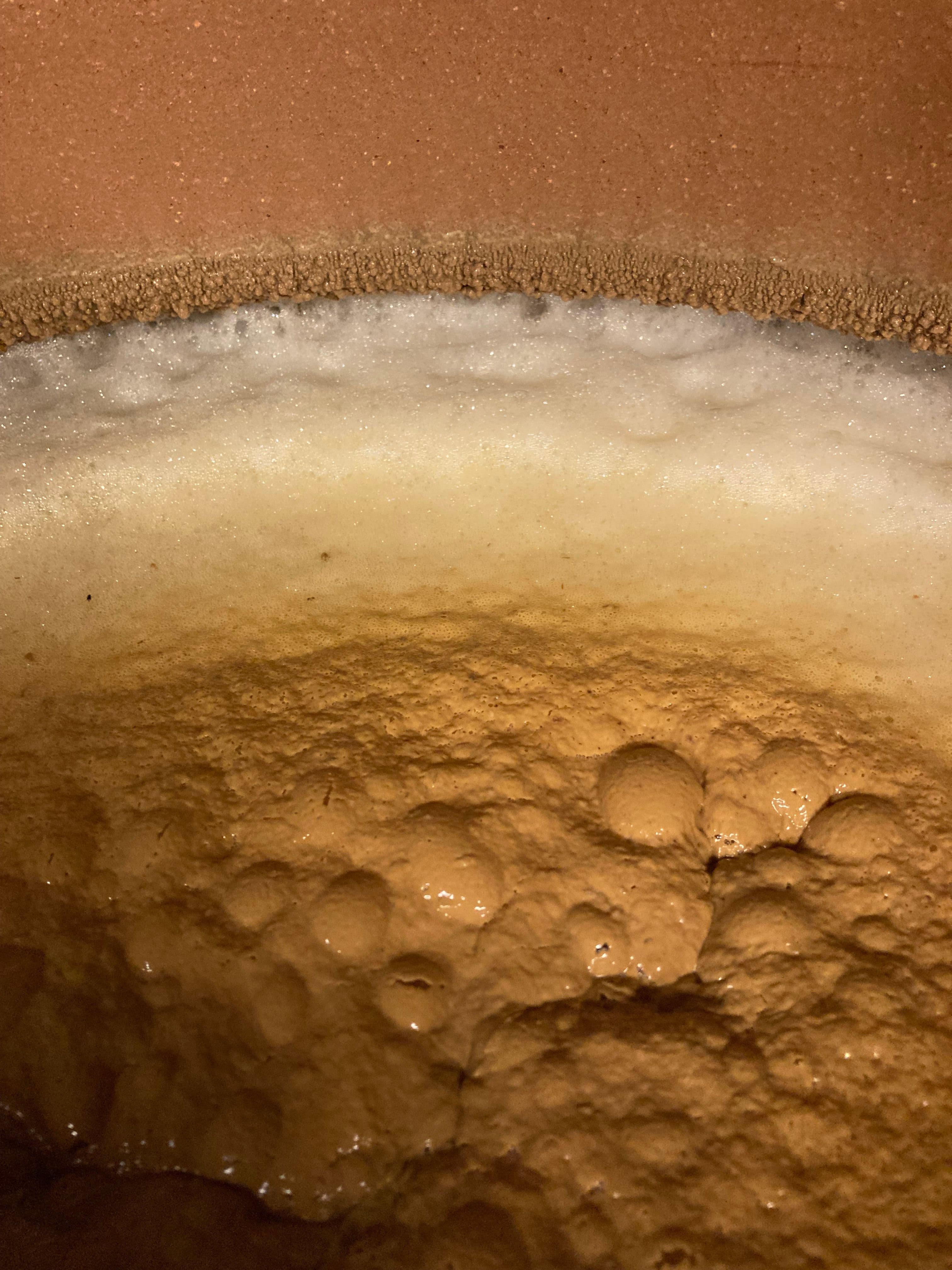
We let our wines ferment with the wild yeasts native to our vineyard and cellar, never with industrially produced cultured yeasts. Throughout the rest of the vinification process, we use no additives or fining agents of any kind. Only in a few rare cases can a small amount of sulphur help hold back certain microorganisms, such as acetic acid bacteria. All it really takes is grapes from outstanding sites and fascinating soils to create an expressive wine.
Through biodynamic farming and by fostering biodiversity, we strengthen the microbiological life of our sites. Healthy, stable yeast populations ensure a natural, harmonious fermentation.
Tierisches Leben
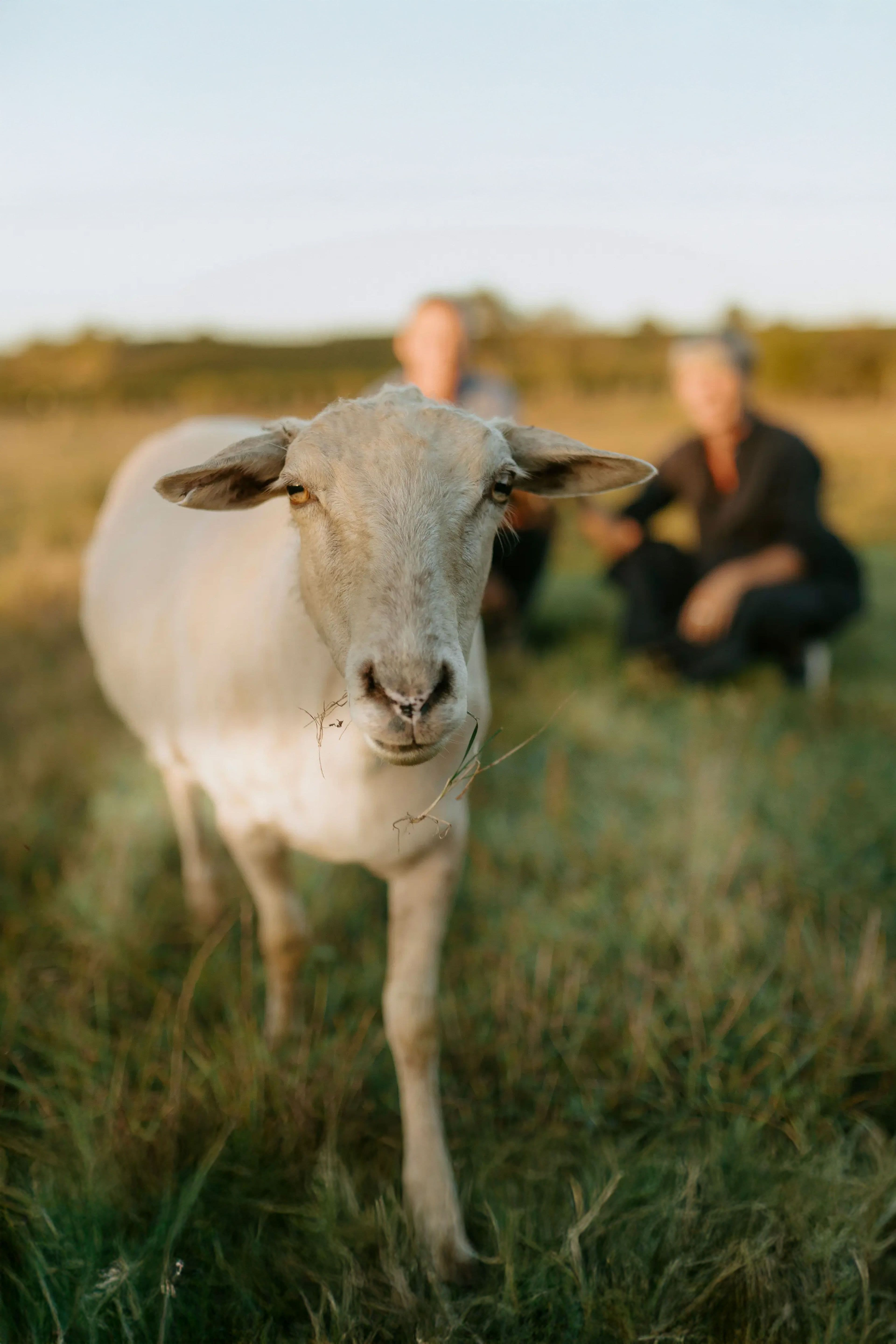
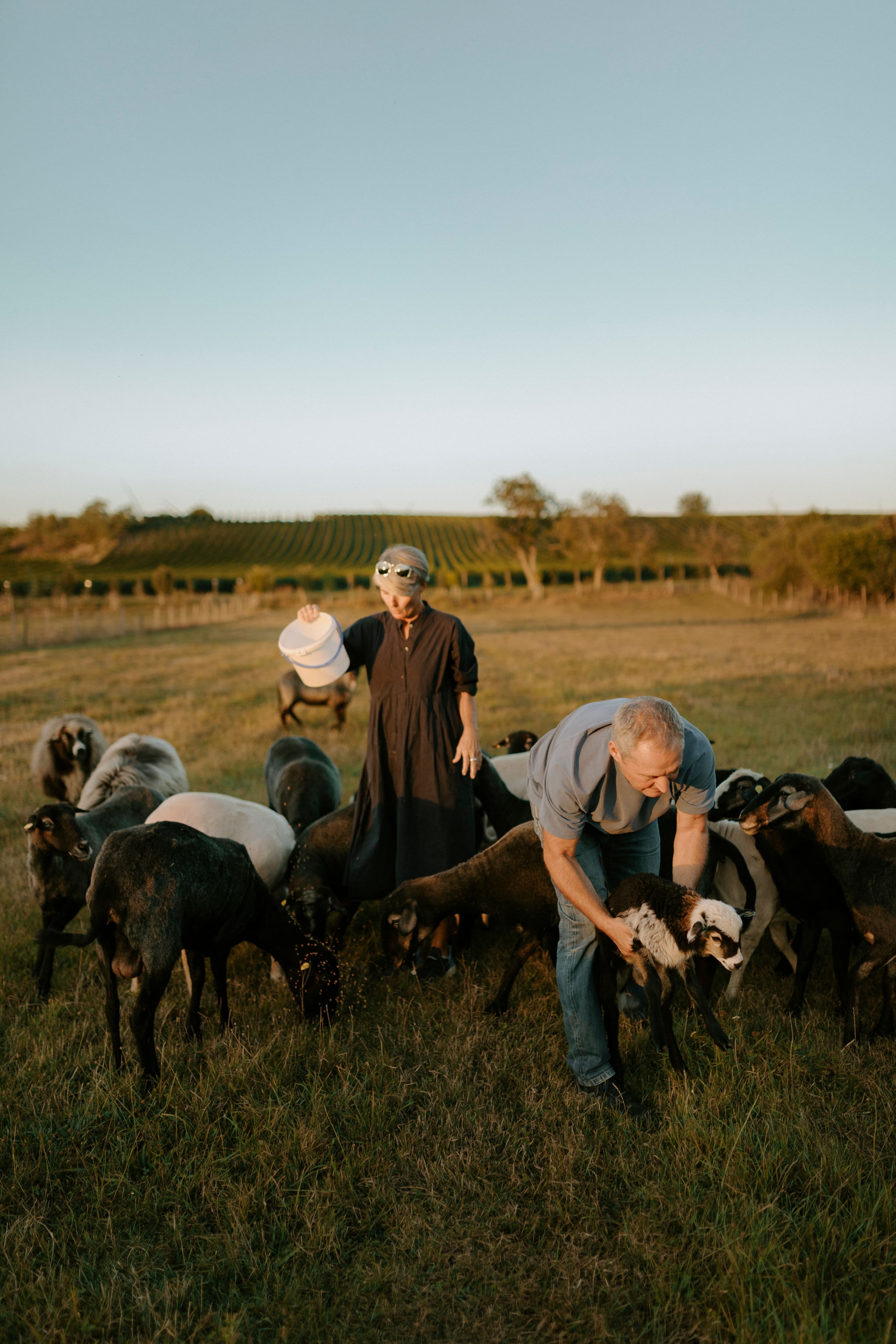
In der Biodynamie spielen Tiere eine wichtige Rolle für die Bodenfruchtbarkeit und somit auch für die Entwicklung der Kulturpflanze - in unserem Fall die Rebe. Seit 2015 sind deshalb nach und nach Schafe, Hühner, Gänse und Enten bei uns eingezogen und bereichern seitdem tagtäglich das Leben auf dem Hof.
Unsere Krainer Steinschafe sind ganzjährig auf wechselnden Weiden rund um das Weingut und fressen ausschließlich Gras und Heu von unseren Biodiversitätsflächen. Sie halten die Flächen offen, verhindern Verbuschung und fördern die Vielfalt von Pflanzen und Insekten. Gleichzeitig versorgen sie den Boden mit Nährstoffen und fördern das Bodenleben.
Reduktion
For us, reduction is something very positively associated, desired, in fact, and a natural occurrence in our wines. It shows itself, above all, in the wine's aromatics, which can carry hints of flint, popcorn, struck match, or burnt rubber.
The aromatic sulphur compounds produced by yeasts and bacteria tend to appear more often in wine when the vines root deep into stony, less fertile soils. Lower nitrogen levels in the soil usually also mean less yeast-available nitrogen in the must, a slower fermentation, and, as a result, more reductive aromas in the young wine. Over the course of ageing on the natural lees in barrel or amphora — often for years — these aromas integrate positively, ultimately bringing more complexity and tension to the wine.
In chemistry, reduction refers to the gain of electrons (either the uptake of hydrogen or the release of oxygen). This is why our wines are often reductive in their youth, and only change in character with ageing (oxidation).