Die Landschaft zum Sprechen bringen
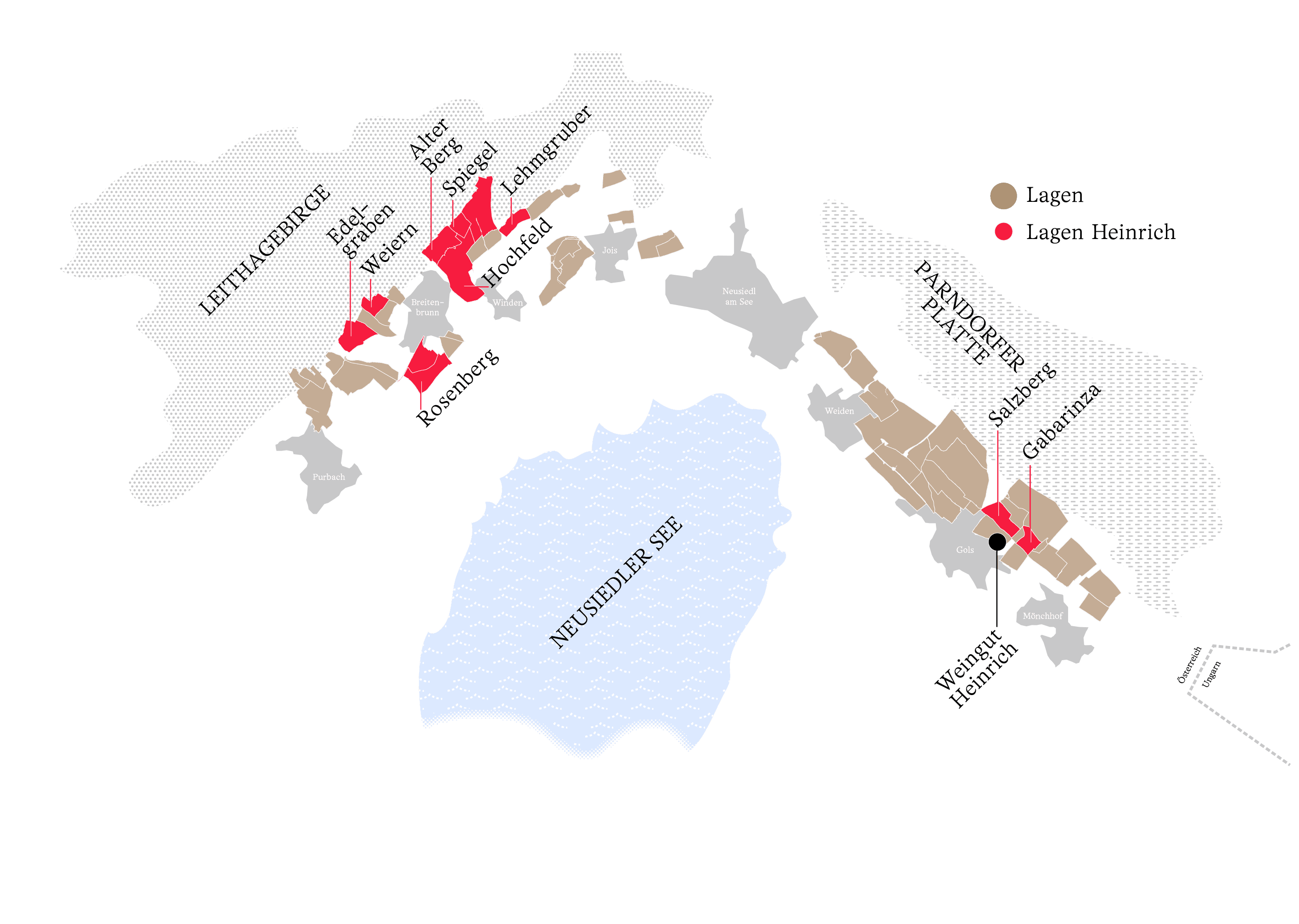
Die Landschaftselemente, die für unsere Weingärten prägend sind, reichen vom südlichsten Terrassenrand der Parndorfer Platte über den Neusiedler See bis zu den östlichsten Ausläufern der österreichischen Kalkalpen, dem Leithagebirge.
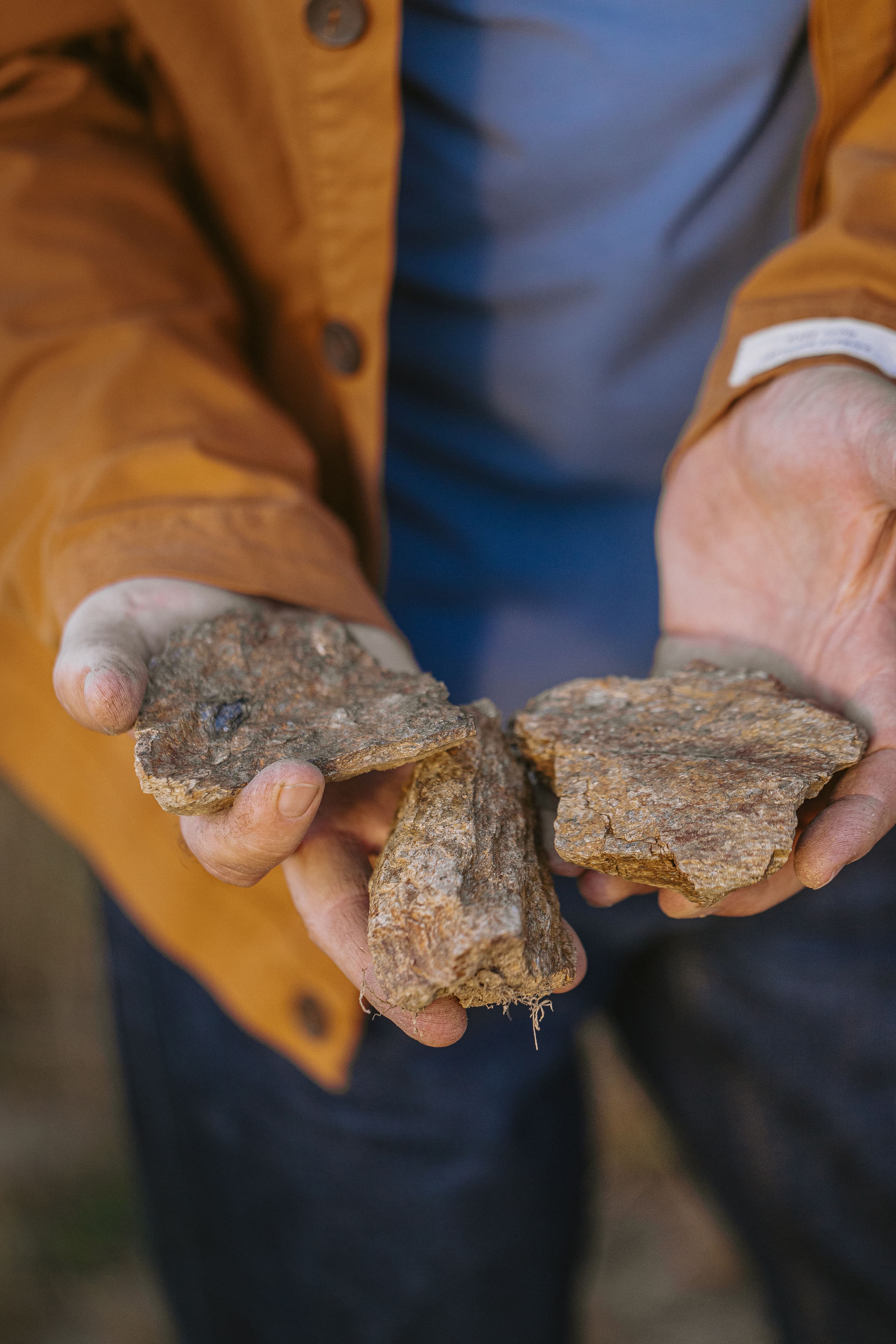
Im Wein schmeckt man den Kalkstein, der die Wärme reflektiert oder den Glimmerschiefer, der die Sonnenstrahlen in sich aufnimmt. Man spürt die Kühle des Waldes, die Witterungsbedingungen des jeweiligen Jahres.
Rund um den Neusiedler See
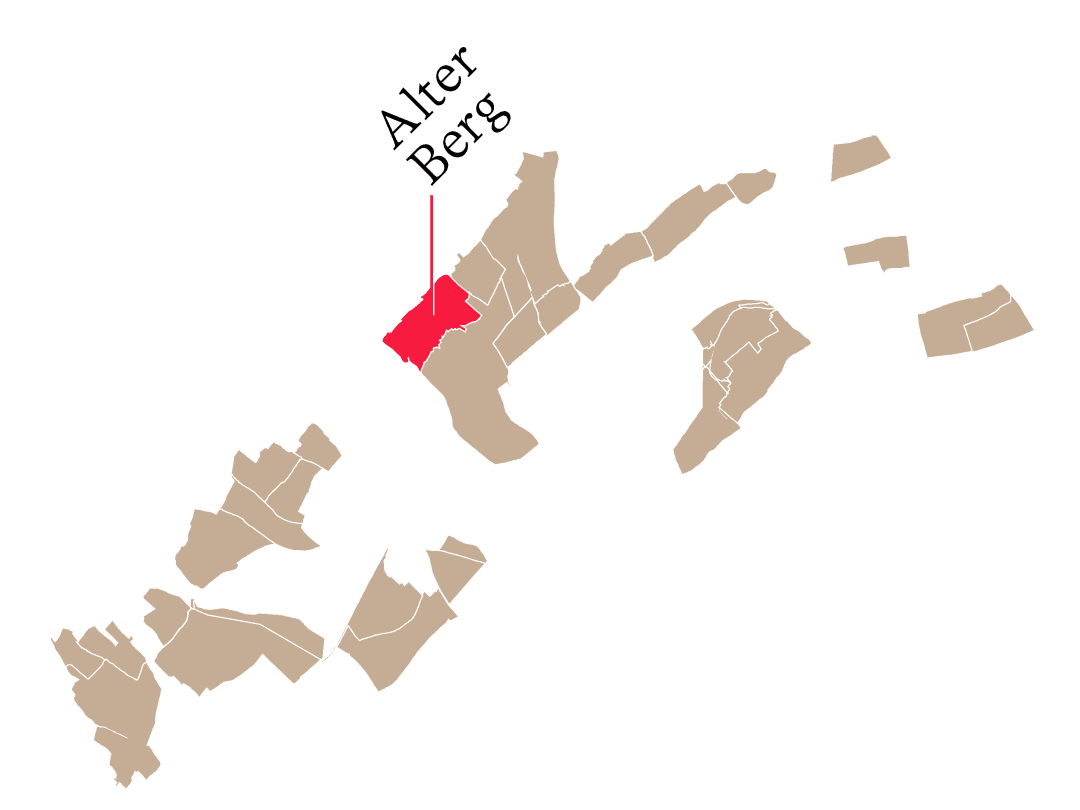
Alter Berg
Above the village of Winden, the Alter Berg vineyard slopes to the southeast, its soil shaped by Leitha limestone. Behind it lies the forest, cooling in summer, sheltering against the winds in winter.
- Winden am See
- Kalksandstein
- Leithakalk
- tertiärer Muschelkalk
- Blaufränkisch
- Chardonnay
- Gelber Traminer
- Weißburgunder
In 2006, we bought our first vineyard on Alter Berg, taking the leap into Leithaberg. At the time, more than two-thirds of the land lay fallow. The site was considered too stony and too difficult to farm.
Recultivating the plots took a great deal of work and energy, but we were convinced of the terroir's uniqueness. From the very beginning, we saw it as the perfect counterpart to the sun-drenched south-facing slopes of Gabarinza and Salzberg in Gols.
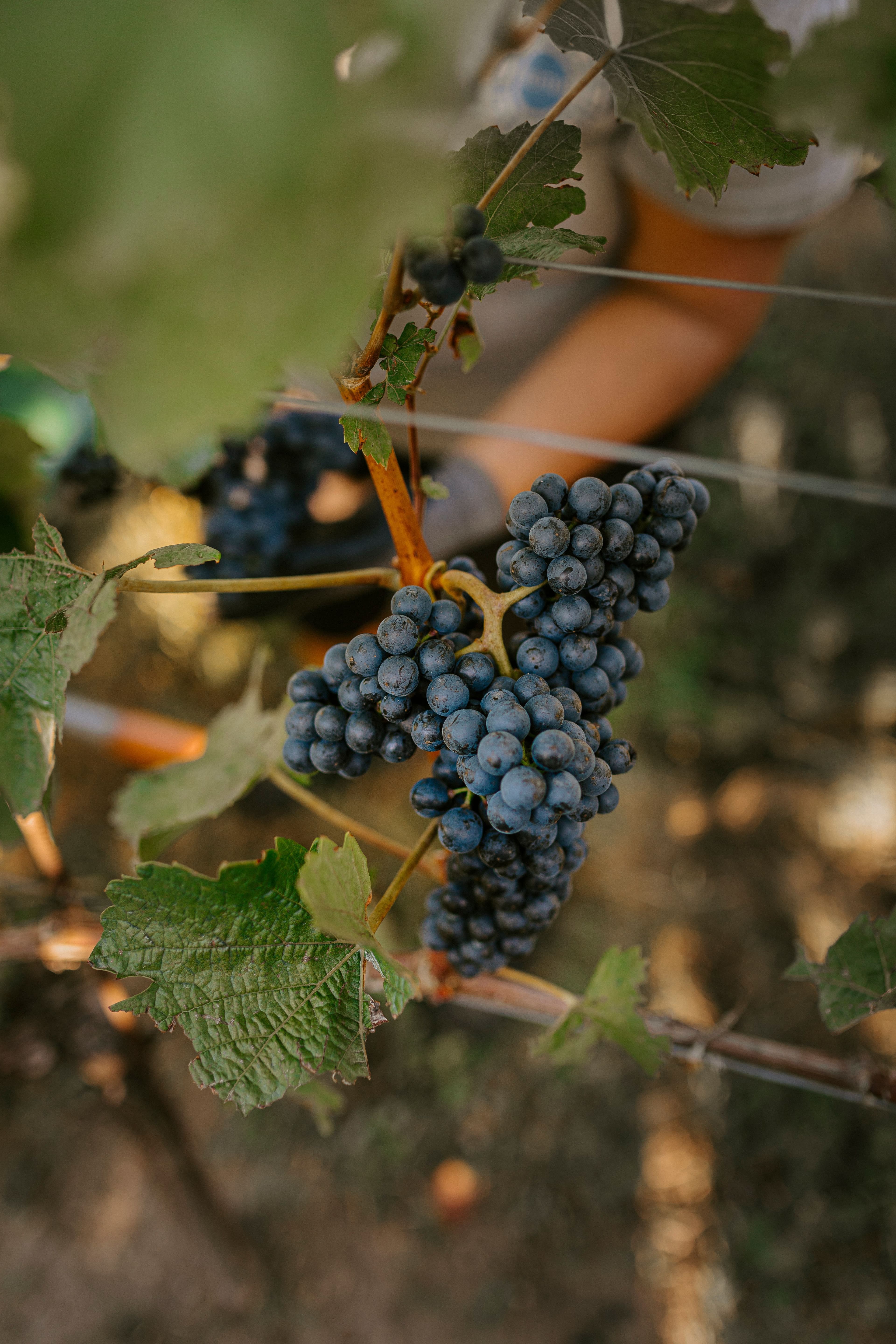
What began as an experiment, and culminated in our great single-vineyard Blaufränkisch Alter Berg, has proven to carry us forward. Alongside Blaufränkisch, we now grow Chardonnay, Pinot Blanc and Gelber Traminer. Our bond with this site keeps deepening year after year.
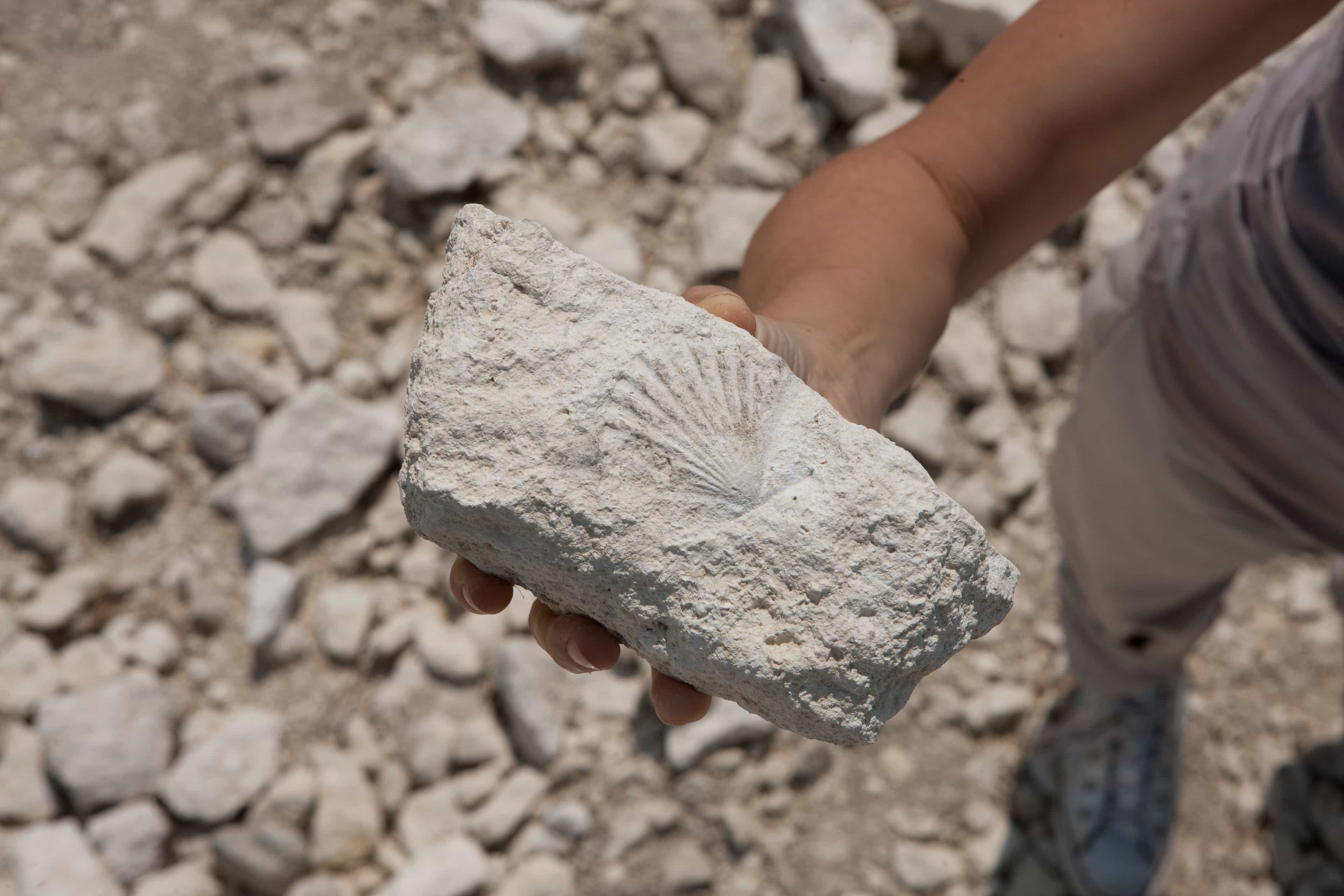
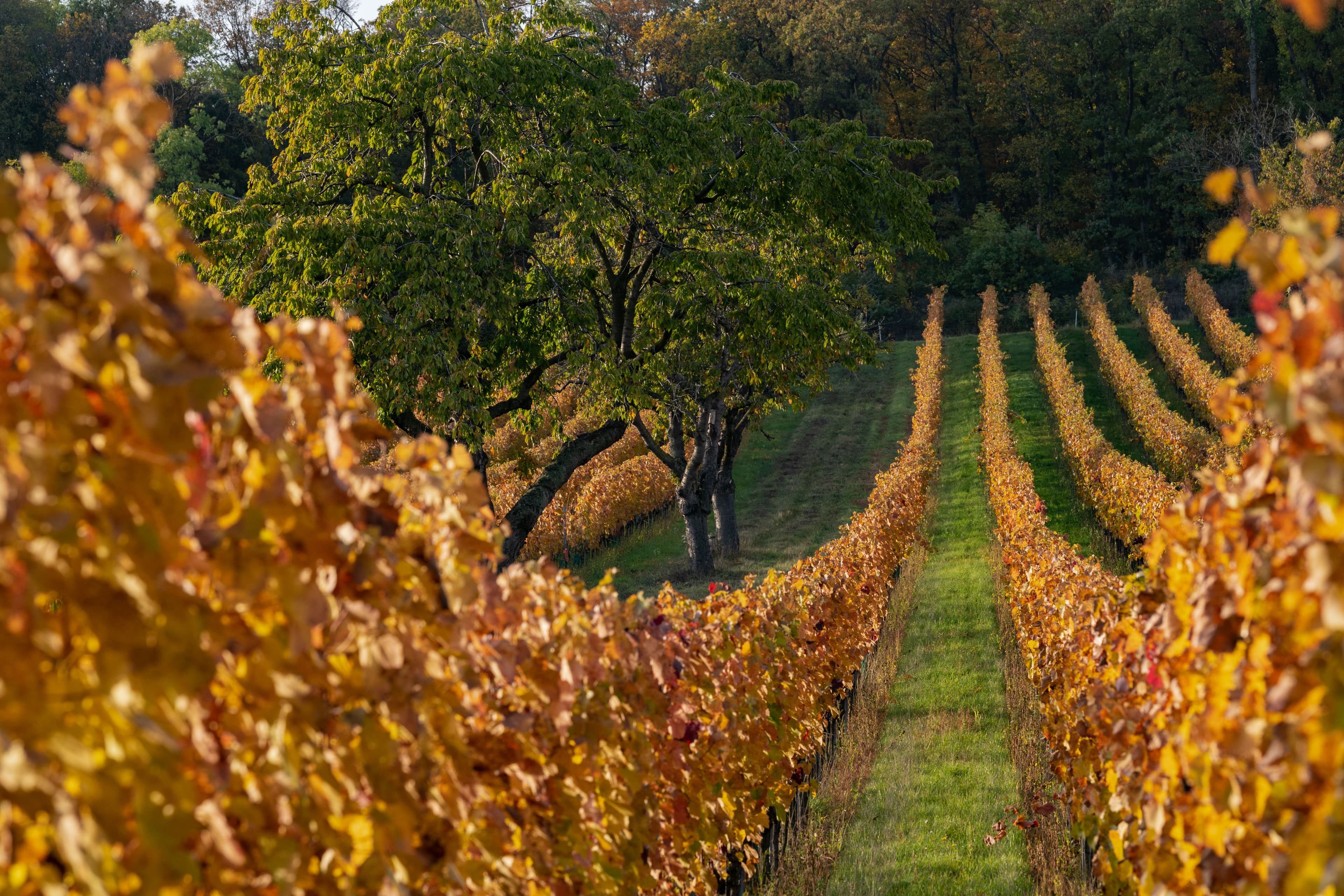
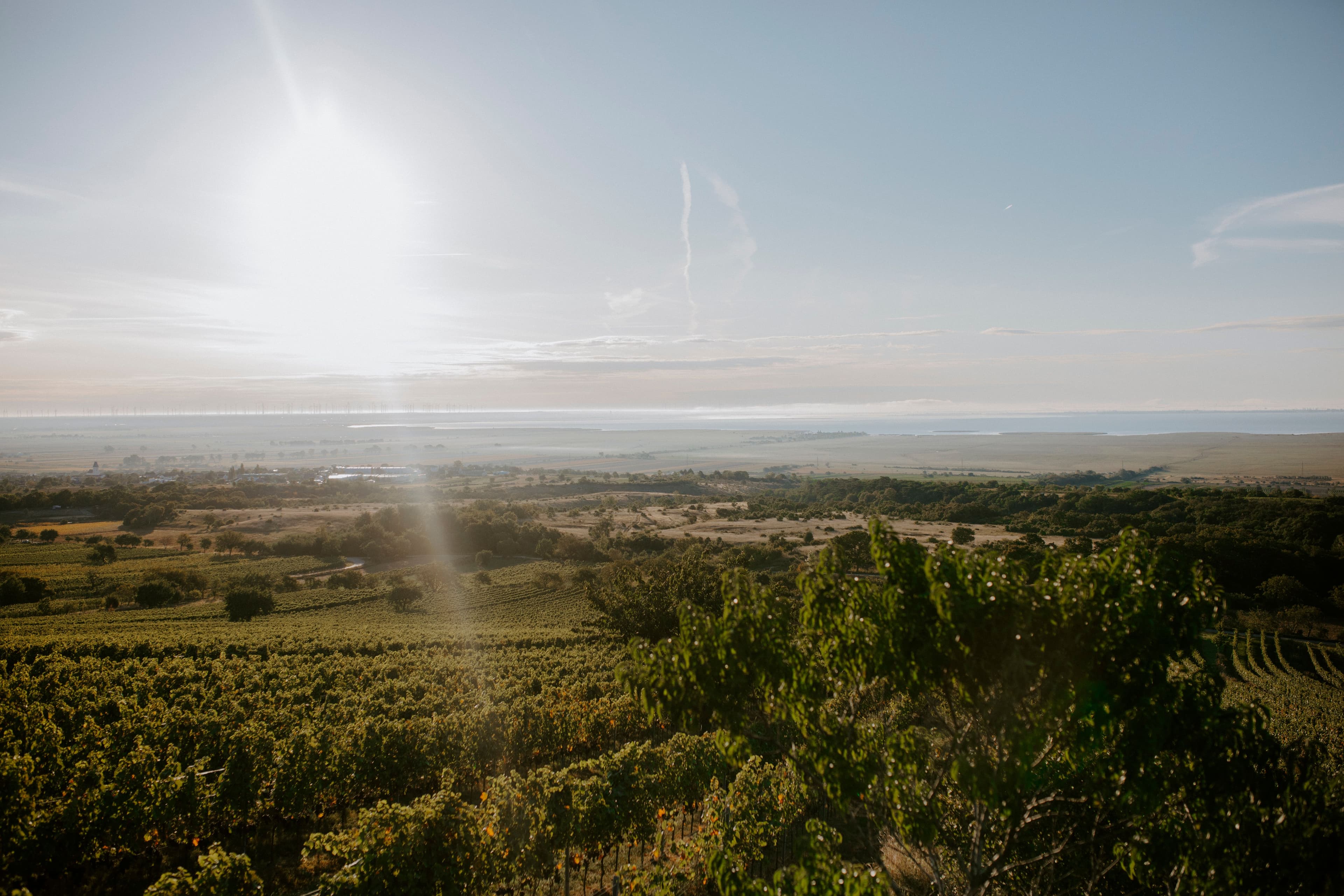
Standing on the southeast-facing slope, you find a cooling forest above the vineyard and a view down to Lake Neusiedl below. Towering cherry trees grow between the rows, and throughout the barren limestone soil lie millions of ancient fossils from the primordial sea, the source of the wine's minerality.
Both the white wines and Blaufränkisch show a distinct salinity on the palate, floral, cool aromas, and a compact, firm structure.
On Alter Berg, microclimatic differences become tangible. Shaped by exposure, elevation and the nearby forest. The limestone, as the paler component in the soil, reflects the sunlight and lends the wine more coolness and freshness.
Alter Berg is an immense limestone base that must be protected from erosion through continuous ground cover. The vines root directly into crumbly limestone and limestone scree. Stones and boulders are omnipresent, and the topsoil is sparse.
All the more reason to keep the soil life active and to make room for biodiversity. Trees, shrubs and stone piles are woven into the landscape, offering refuge to reptiles and insects.
Show more
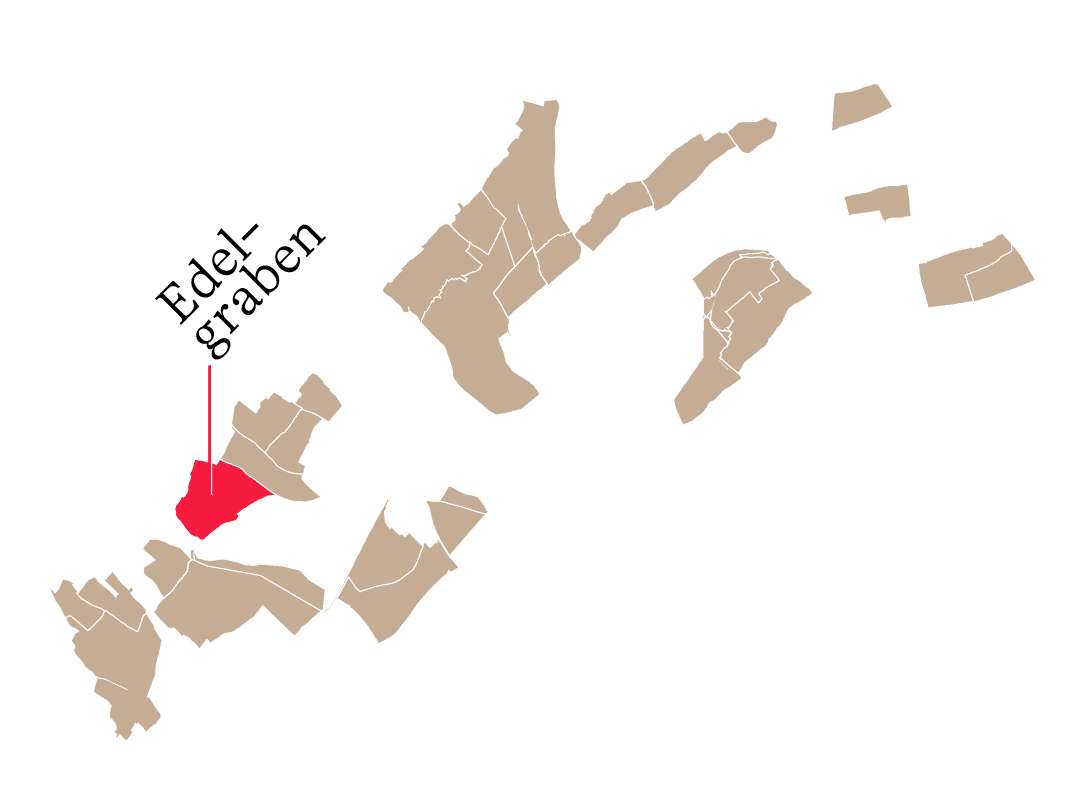
Edelgraben
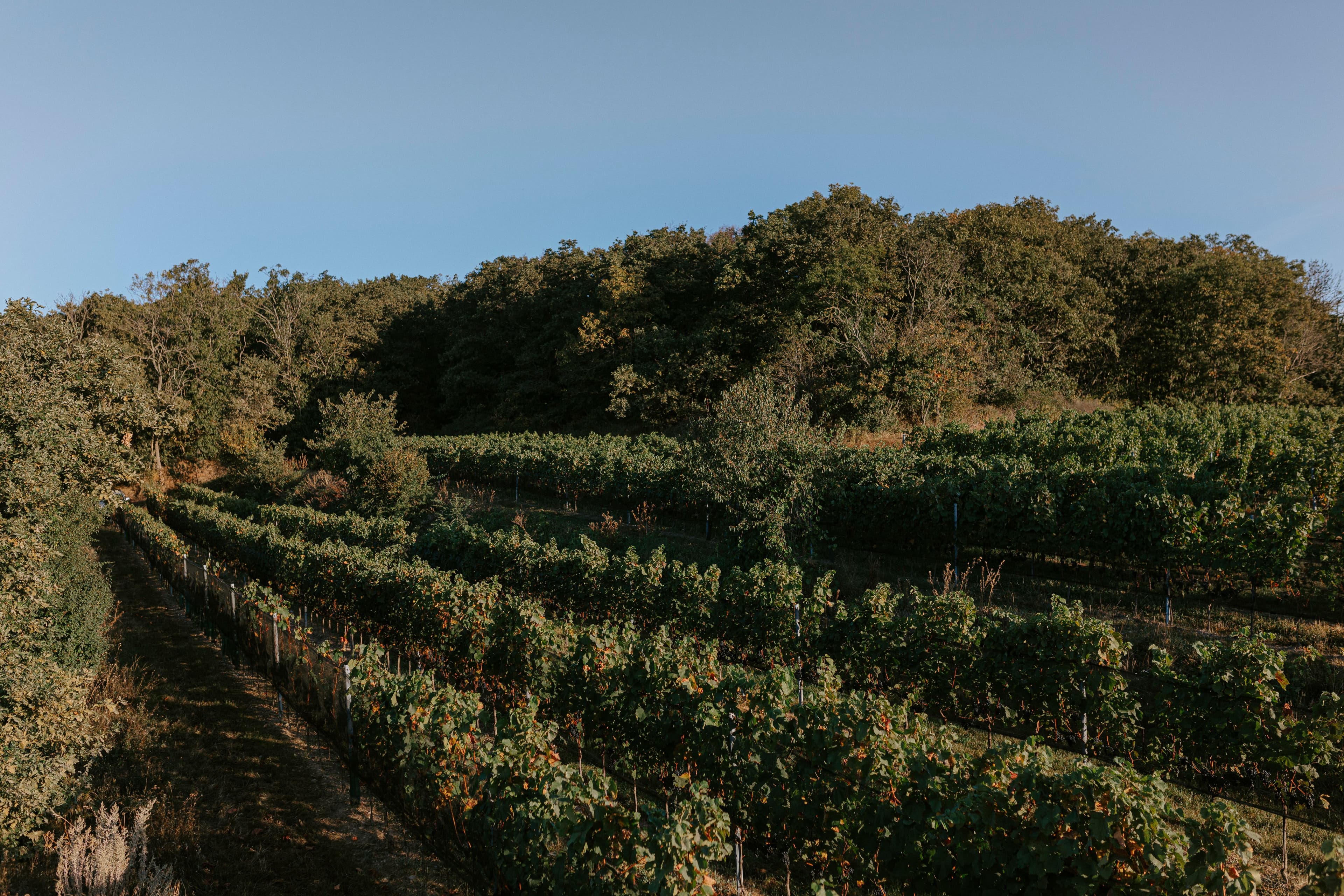
The highest southeast-facing slope lies above Breitenbrunn, bordering a vast oak and beech forest that positively shapes the mesoclimate. The soils are dominated by mineral-rich mica schist.
- Breitenbrunn
- Glimmerschiefer
- Quarzitschiefer
- Blaufränkisch
- Pinot Noir
- Chardonnay
- Weißburgunder
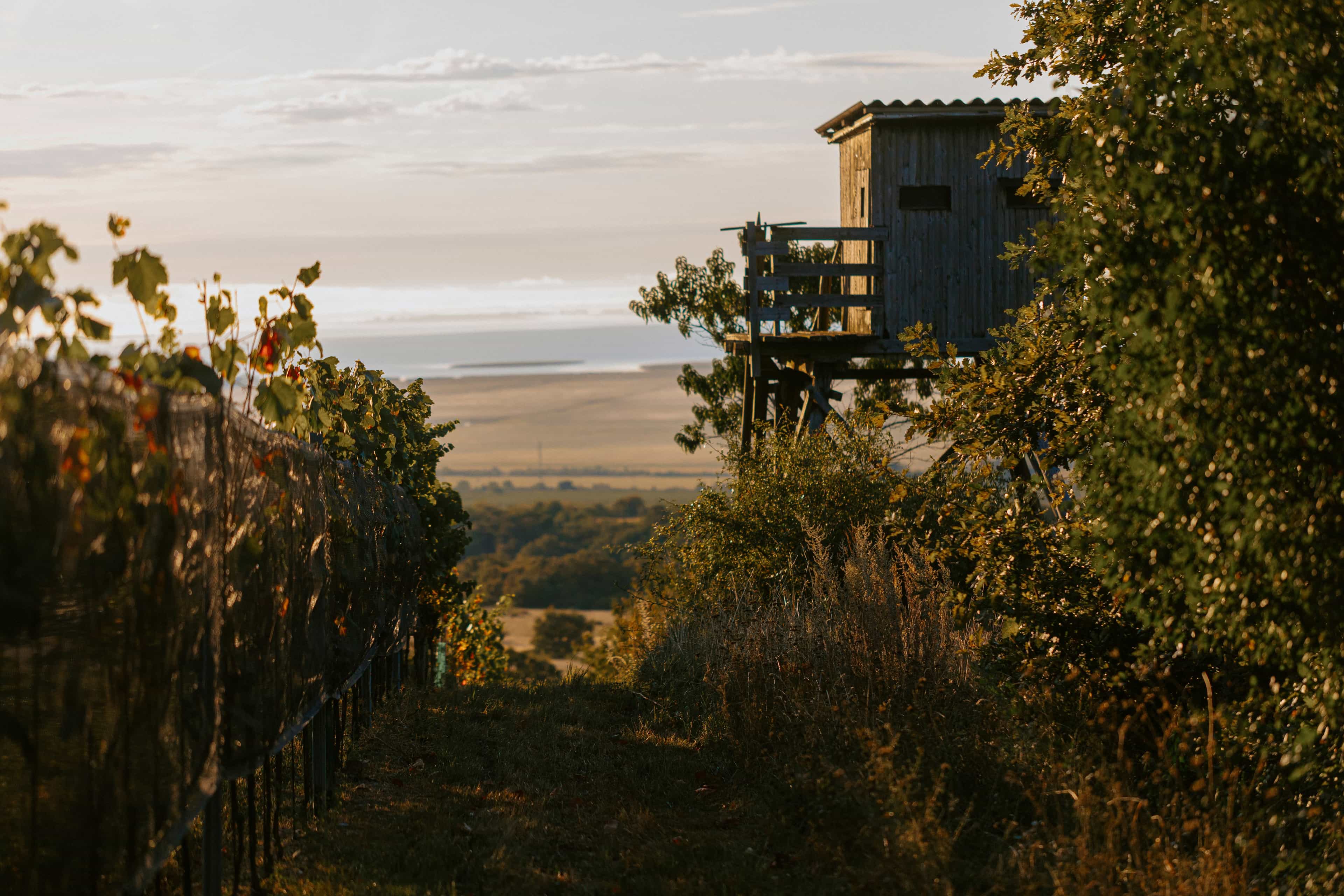
The gently sloping hills of the Leithaberg lie at the transition between the Alps and the Hungarian Plain. Forest stands, woodland-edge habitats, dry grasslands, vineyards and traditional orchard meadows alternate with one another, and nature and cultivated landscape interweave. The result is a remarkable diversity of plant and animal species. Here you find hoopoes, jays, hazel dormice, smooth snakes, Aesculapian snakes and green lizards.
Amid this diversity, Blaufränkisch, Pinot Noir, Pinot Blanc and Chardonnay take root in mica schist and quartzite schist soils. The hard mica schist forces the vines to root deep and to concentrate their strength on fewer grapes.
One consequence of this metamorphic soil is lower yields and more character in the wine. The result is wines of great depth and complexity that reflect their origin.
And so Edelgraben is reflected in many of our wines: the Chardonnay from the Edelgraben is the perfect complement to the Pinot Gris in the Graue Freyheit, the Pinot Blanc appears in the Weiszen Freyheit, and the Pinot Noir in the Pinot Freyheit.
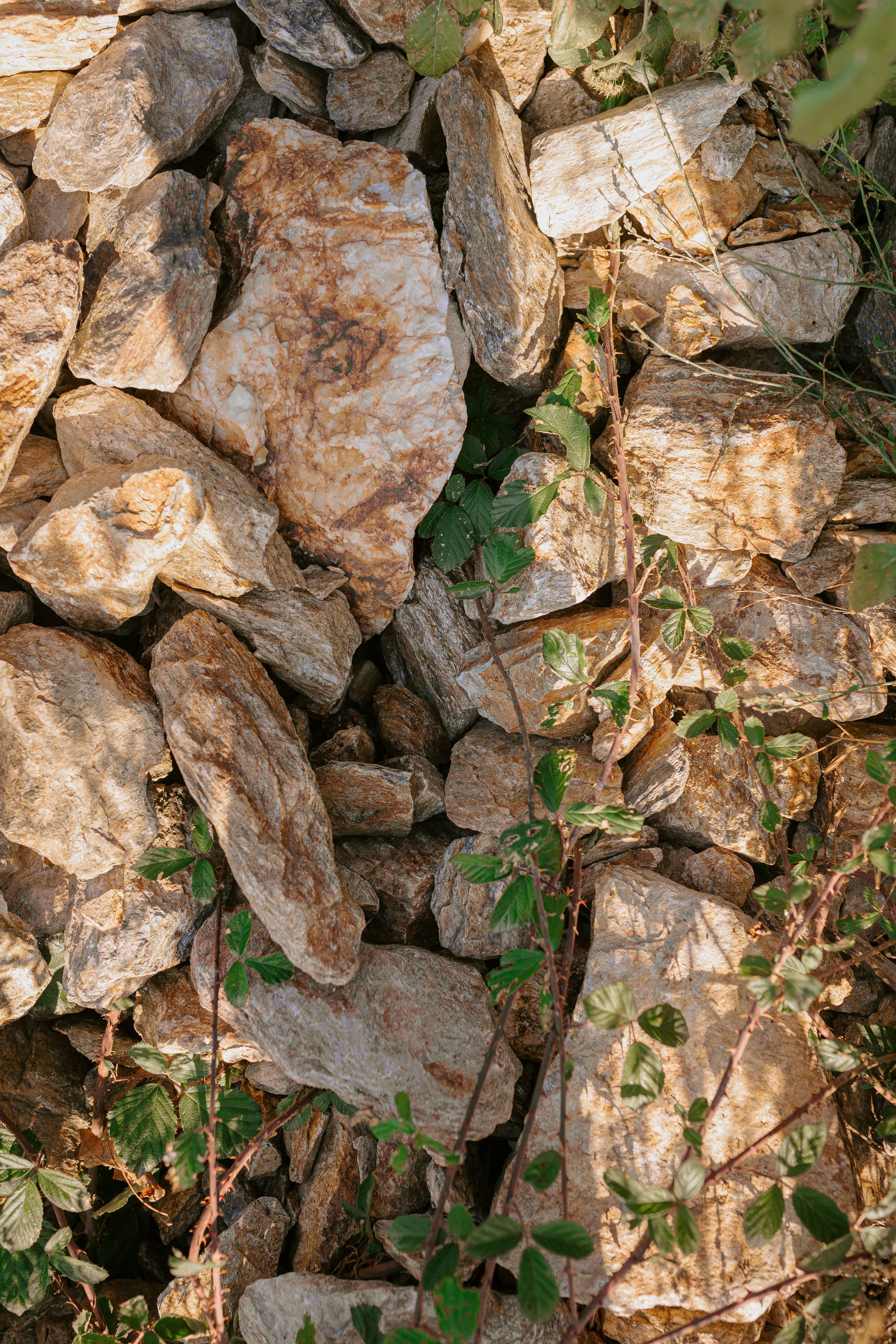
At Edelgraben, the ancient crystalline bedrock comes to the surface. Formed from sediments 350 million years ago, this rock weathers readily, creating a sparse topsoil of flaky scales mixed with coarser fragments in places.
These stones give our wines the notes so typical of mineral-rich schist. You can sense dark, graphite-like tones; the soil's higher iron and potassium content lends the red wines in particular a deeper hue and also brings additional saline notes to the wine.
And because we see such a bright future for the Leithaberg's cool forest edge, in recent years we have planted further late-ripening white varieties such as Furmint and Welschriesling, alongside our main varieties Pinot Blanc and Chardonnay.
Show more
Gabarinza
The top site Gabarinza is a southwest-facing slope rising in two waves toward the Parndorf Platte, divided into Lange Gabarinza and Kurze Gabarinza. The vineyards, sloping toward the lake, are characterized by red glacial-age terrace gravel and fine-grained sandy-loamy sediment soils.
- Gols
- sandiger Lehm
- roter Donauschotter
- Blaufränkisch
- Merlot
- Zweigelt
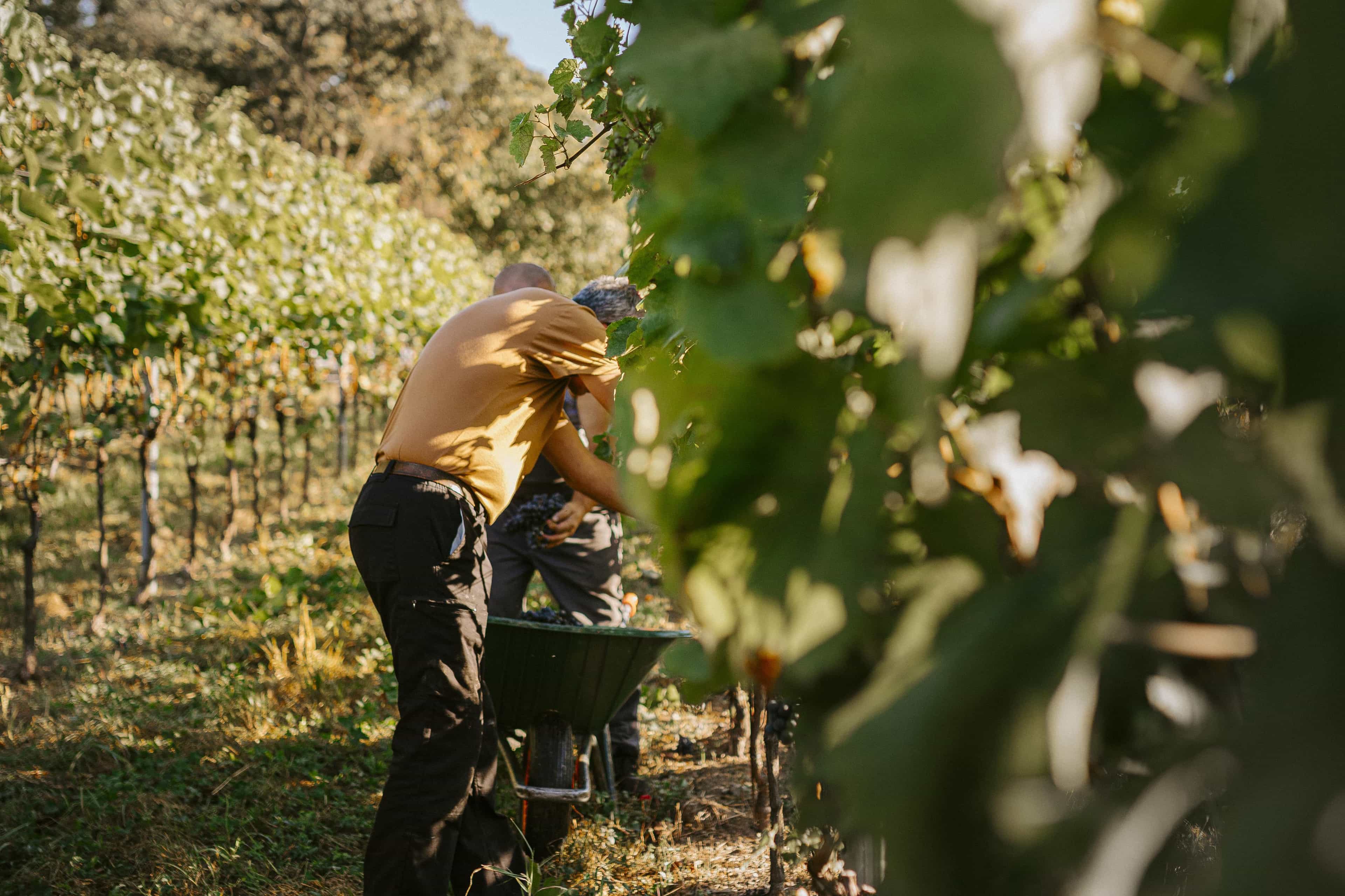
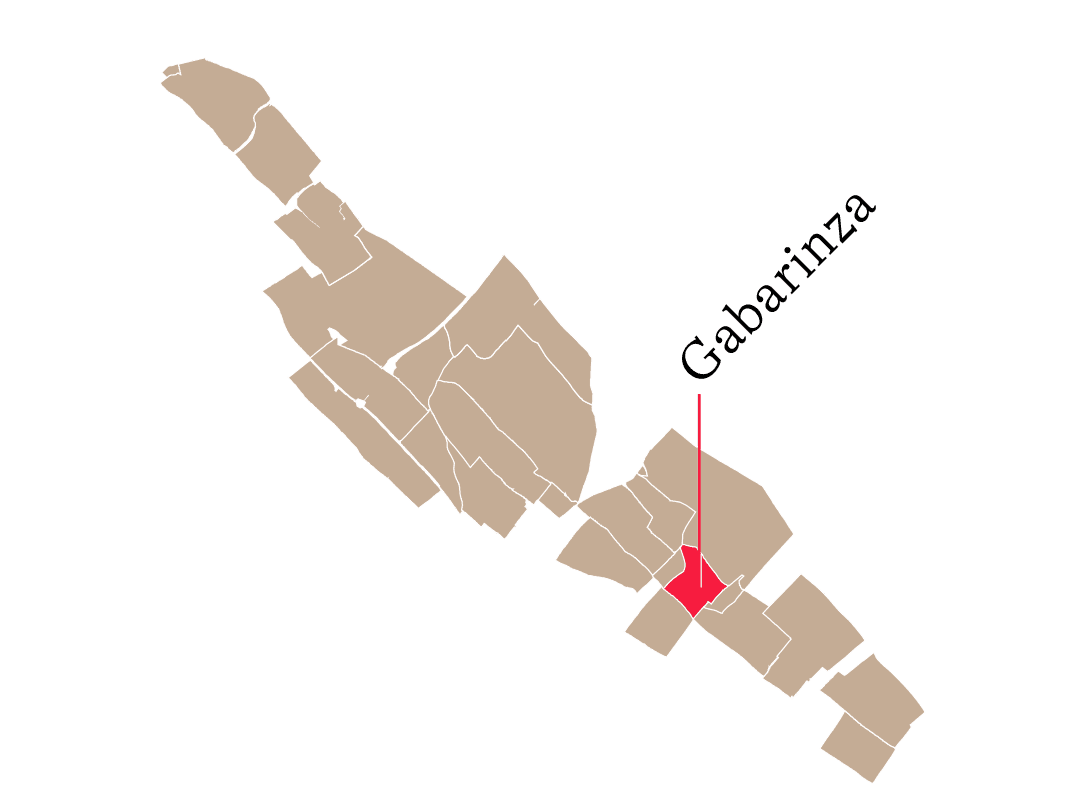
This is where it all began. With the 1990 vintage, Gernot and Heike released their first wine together: Gabarinza, named after one of the oldest and finest hillside sites in Gols.
This multilayered cuvée, Gabarinza, is made from the two indigenous grape varieties Zweigelt and Blaufränkisch, together with Merlot. A single-vineyard wine, clearly shaped by its terroir and with great aging potential. The vines root in glacial-age terrace gravel, and further up the slope, in fine-grained sandy-calcareous lake sediments with a notable clay content.
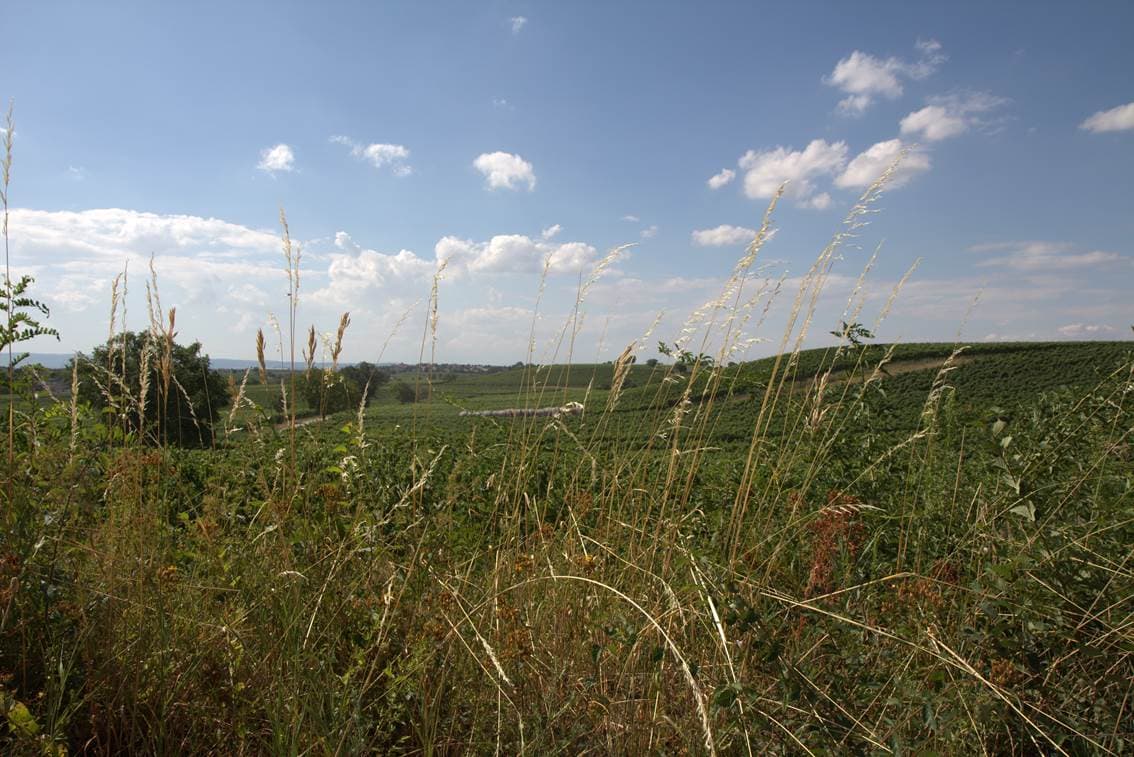
What makes this site special are its two waves, which bring distinct mesoclimates. Between the summit at 158 meters and the foot of the slope, almost 30 meters lower, there are striking temperature differences.
In the lower area, known as Kurze Gabarinza, and also in the eastern part of Lange Gabarinza, the warmth is felt more strongly. The soil here is richer in humus, darker and deeper, absorbing more heat. These conditions particularly favor the Zweigelt variety.
Heading up Lange Gabarinza toward the Parndorf Platte, gravel increasingly complements the clay as it grows shallower. Rows of Blaufränkisch join the Merlot. Cool winds sweep across the Gabarinza summit, lending balance to the wine, just as the three grape varieties united in this cuvée, Zweigelt, Blaufränkisch and Merlot, balance one another.
Show more
Salzberg
Salzberg is one of our top sites, a southwest-facing slope at the edge of the Parndorf Platte. Its long, sun-facing slope promotes the ripening of our grapes and gives the red wine varieties grown there the unique density, complexity and structure so characteristic of this wine.
- Gols
- sandiger Lehm
- kalkige Sedimente
- Blaufränkisch
- Merlot
- Zweigelt
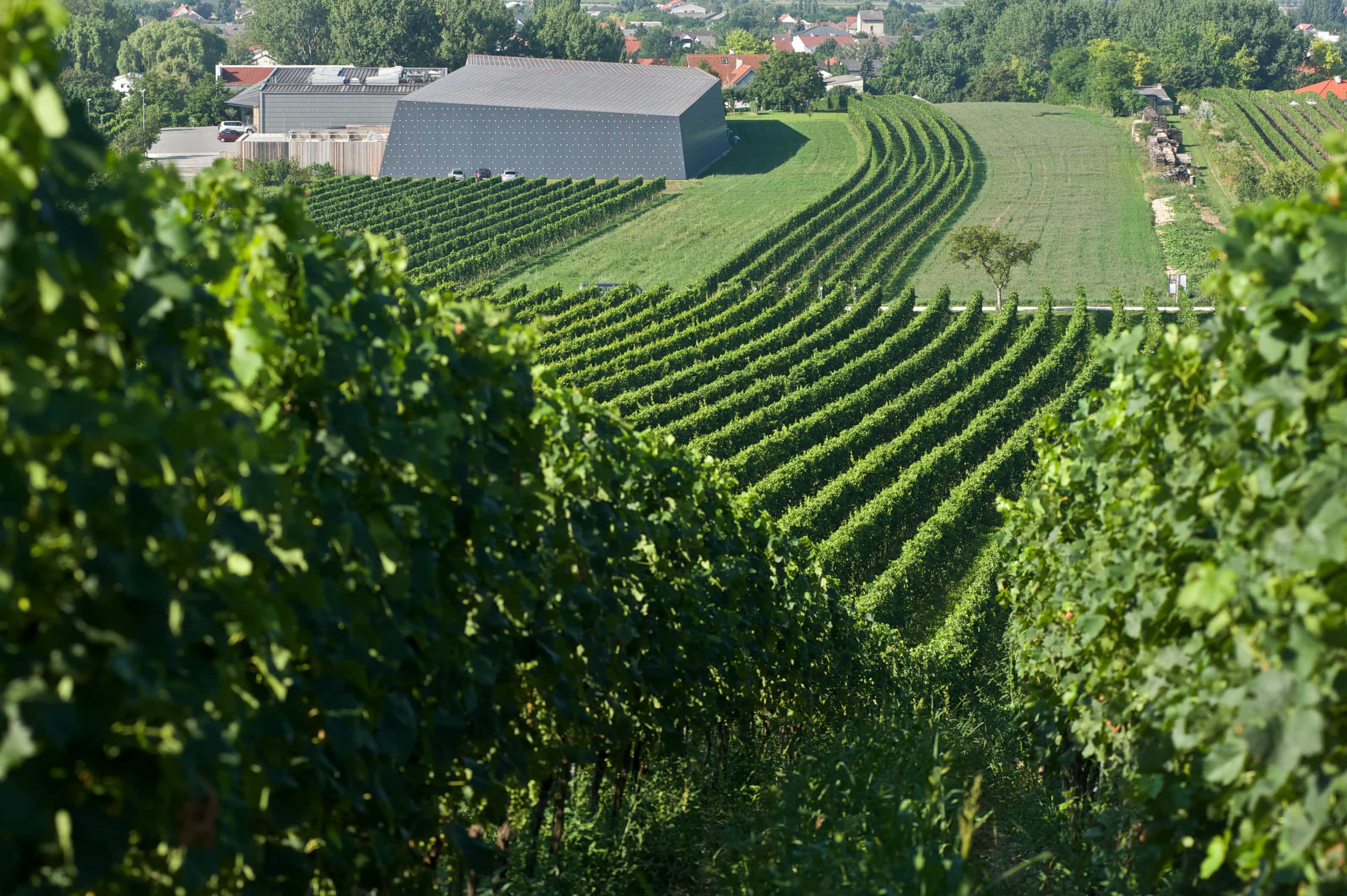
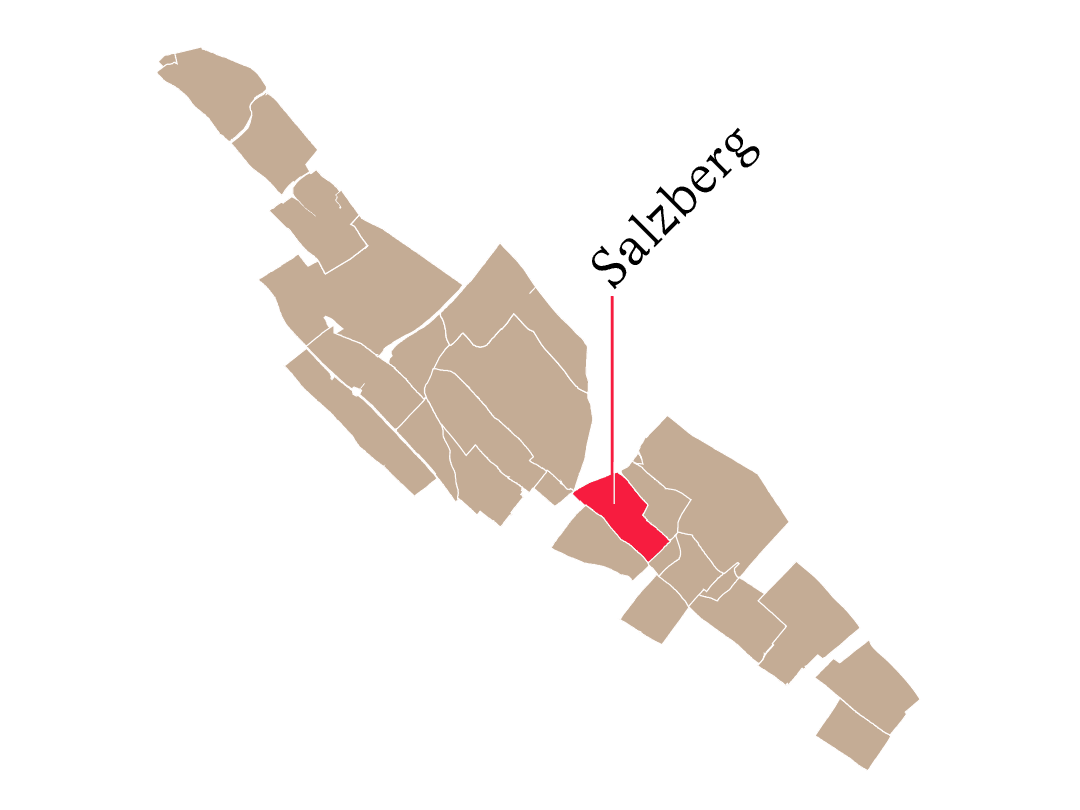
Throughout the 1990s, we grew our holdings on the Salzberg parcel by parcel, expanding the range of our soil and flavor profiles.
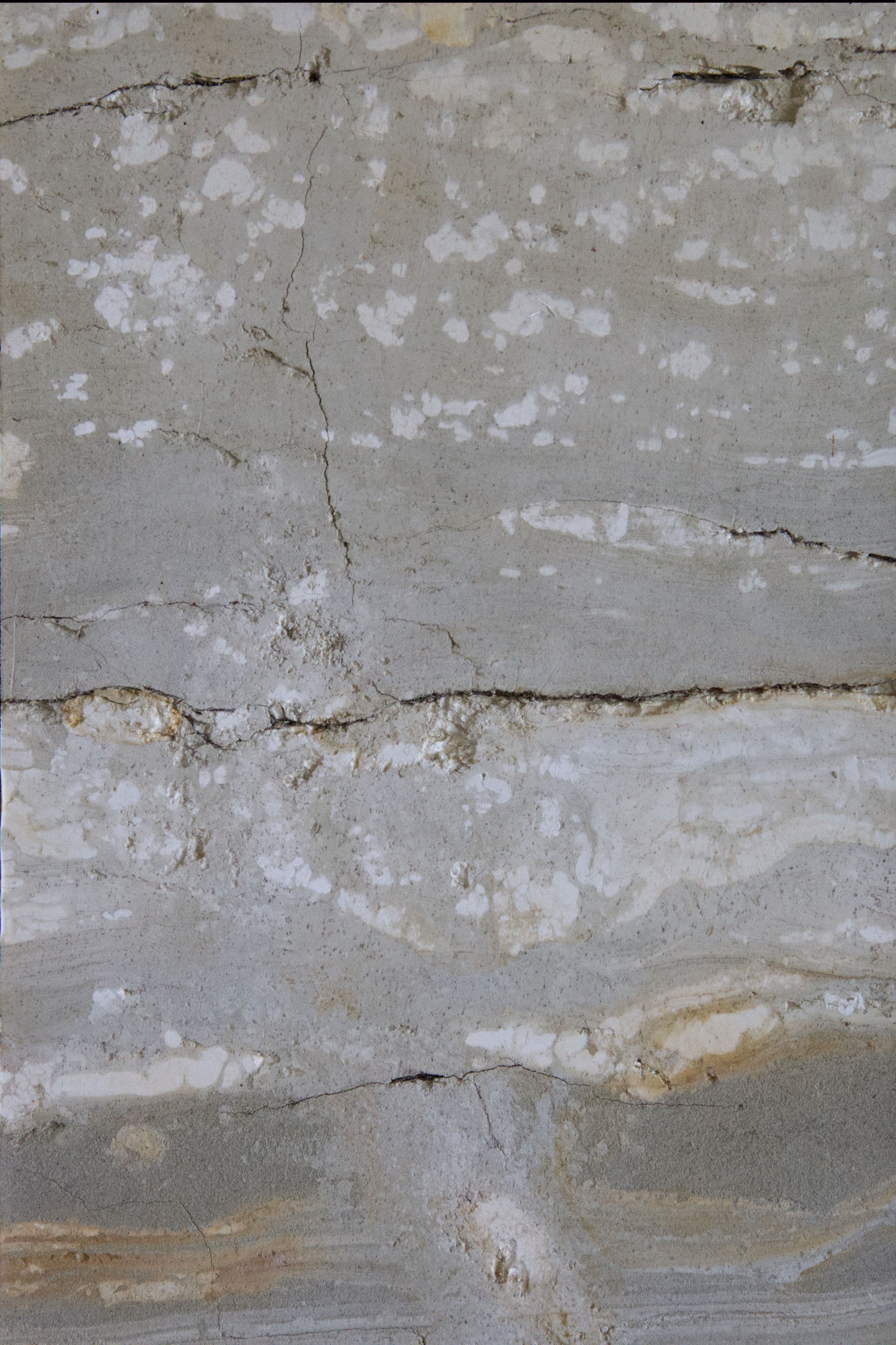
The site thrives on the fascinating diversity of its soils: from clay-silt, to limestone, to sandy-gravelly. Water is scarce, the grape clusters are loose, and the berries are small and thick-skinned. Perfect conditions for complex, powerful red wines.
With the 1999 vintage, our first cuvée bearing the Salzberg name came onto the market. Since then, (almost) every year has brought a top cuvée made from the finest hand-picked Blaufränkisch and Merlot grapes.
As the vines grow older, not only their resilience but also the quality of the wines increases. The vines benefit from deeper roots and a stronger adaptation to their surroundings. In the wine, you can sense a pronounced terroir character and greater depth.
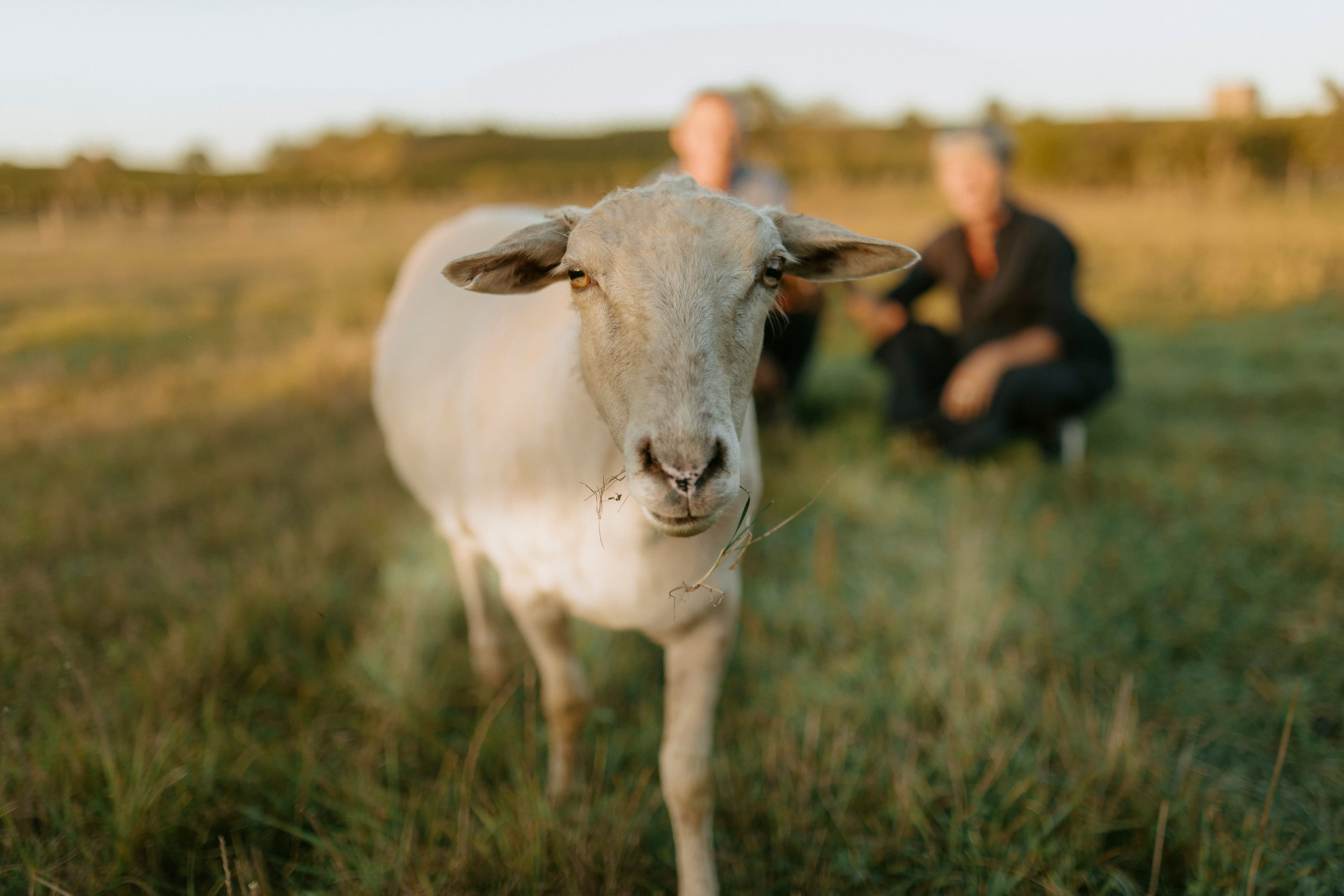
Our winery sits at the foot of the Salzberg. Here, the wine matures eight meters underground. Here, geese graze and sheep pasture on the meadows around the estate. Since 2014, the animals have been an integral part of life on the farm, closing the biodynamic cycle.
We feel a deep emotional connection to this site. In spring, bee-eaters nest at the Salzberg; deer graze in the lush ground cover. In summer, every walk leads up the slope to a view across the lake. In autumn, the grapes are harvested by hand. And on clear winter days, the Schneeberg glimmers on the horizon.